AI-native product design
For the past year I've been designing complete products and directing AI as the build team, from product definition and UX architecture through implementation, evaluation, and release. One of these is a functional, shipped product. Another is currently releasing as an Android beta mobile app. Two are system-level product plans. One designer, working AI-natively, now covers ground that used to take a team.
- RoleProduct designer, architect, and AI director - solo
- Build modelEntirely AI-implemented, under my design direction
- Built2 functional products with distribution sites; 1 live, 1 entering Android beta
- Designed2 system-level product plans
What “entirely AI-implemented” means here
The product design is my own. I design the concept, the information architecture, the feature lists, the section breakdowns, the precise layouts of every page, the control patterns, the design voice and vibe, the marketing position, and the goals. I use AI to take those precise ideas and turn them into usable software products, which have historically been out of my reach. The process still takes an enormous amount of test-and-revision loops, debugging, and constant correction, but it frees the developer resource needed to produce the code. I'm also incorporating AI-generated production art for logos, buttons, and other site artifacts as a force multiplier to my existing design skills, still manually correcting those assets as needed for their precise applications.
Honestly, it's not that different from working with other development and design teams in all of my other roles. Though I do miss having real humans to collaborate with and challenge my ideas. A perfect environment would blend the two.
The Reality Machine
Peer-to-peer gaming platform with an AI game master
Shipped · Functional
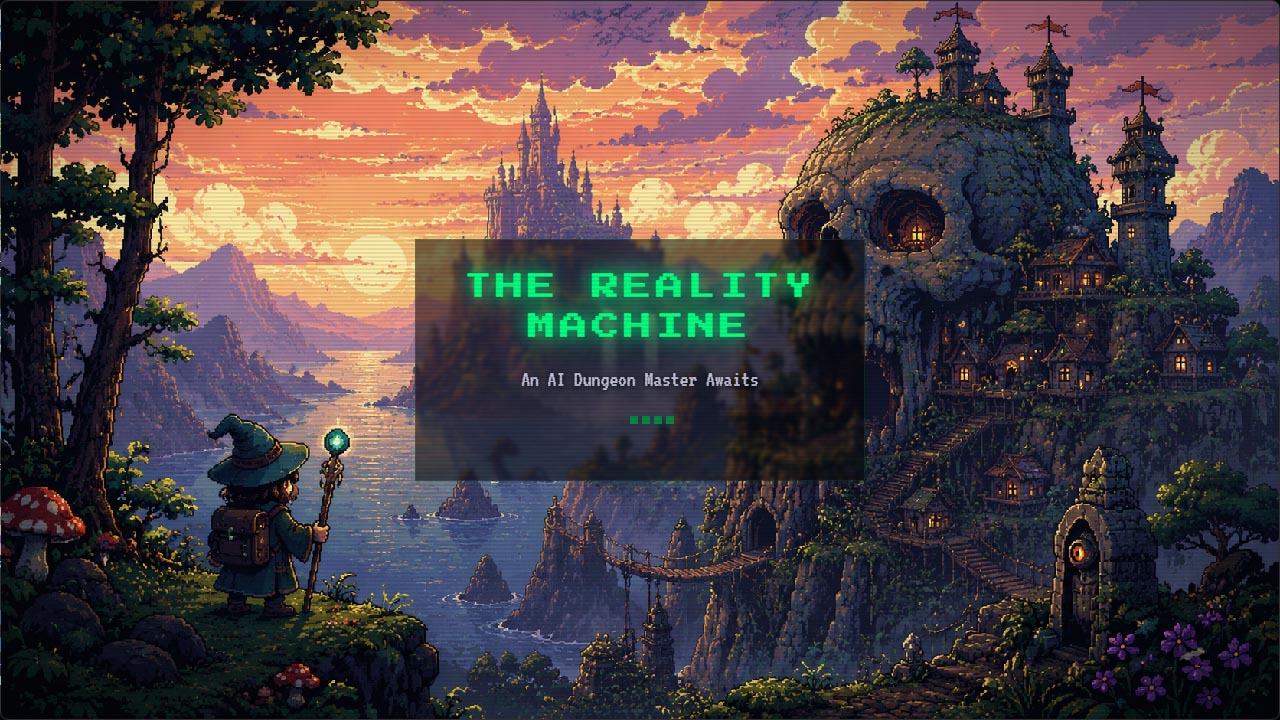
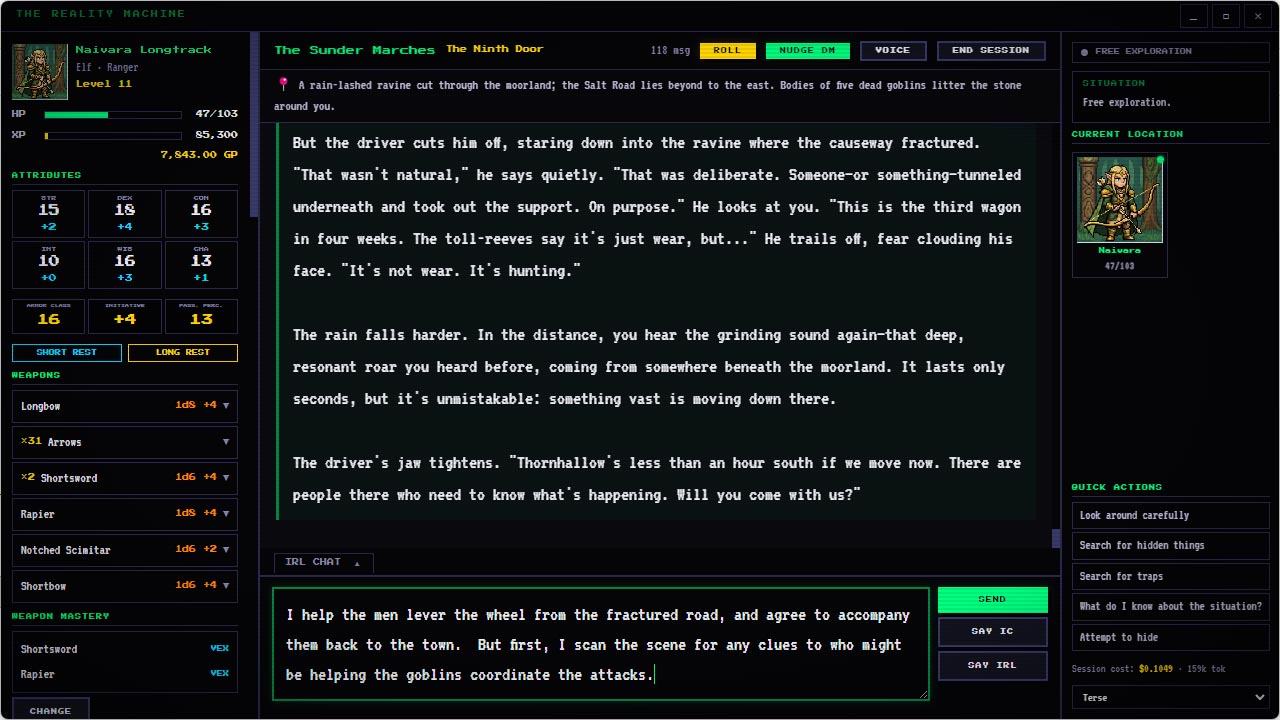
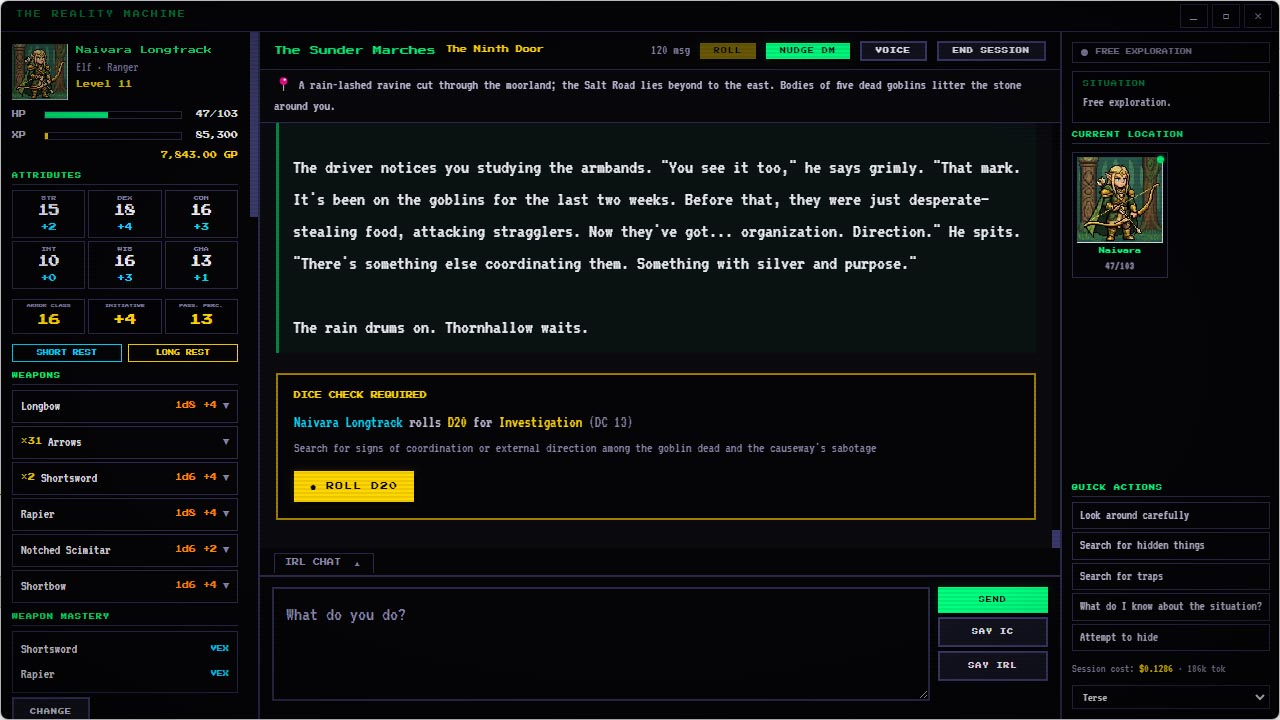
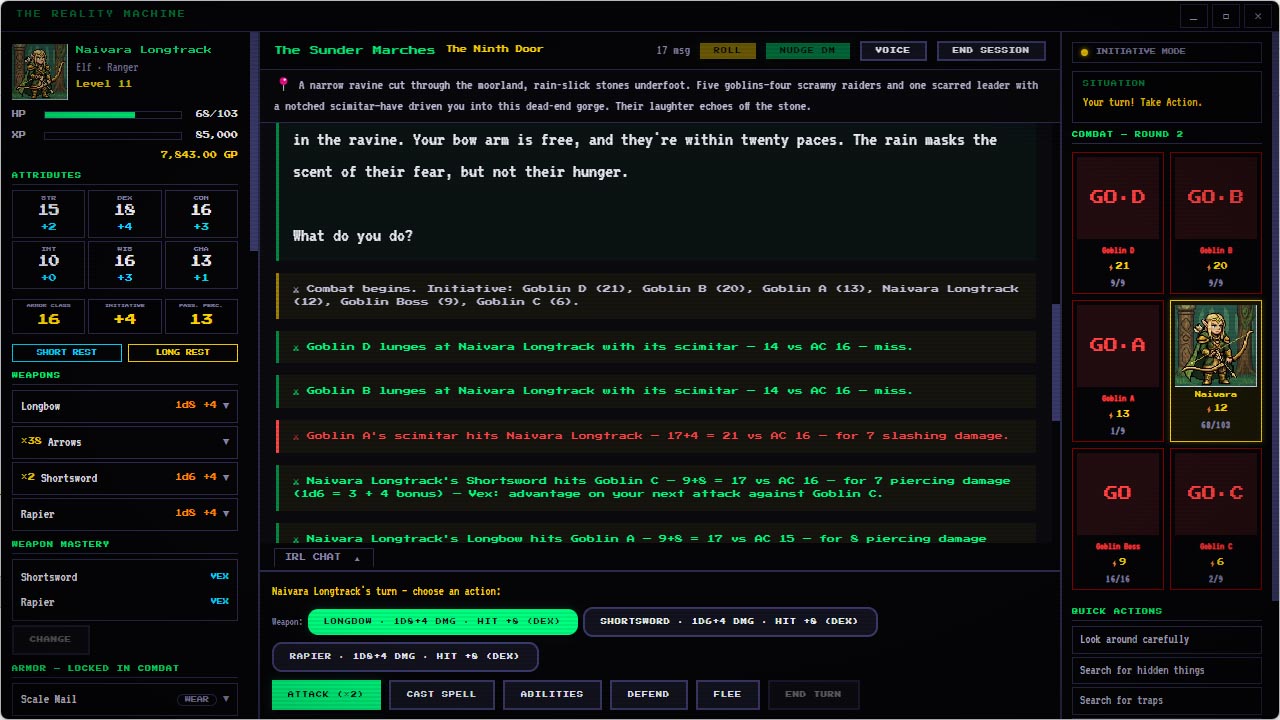
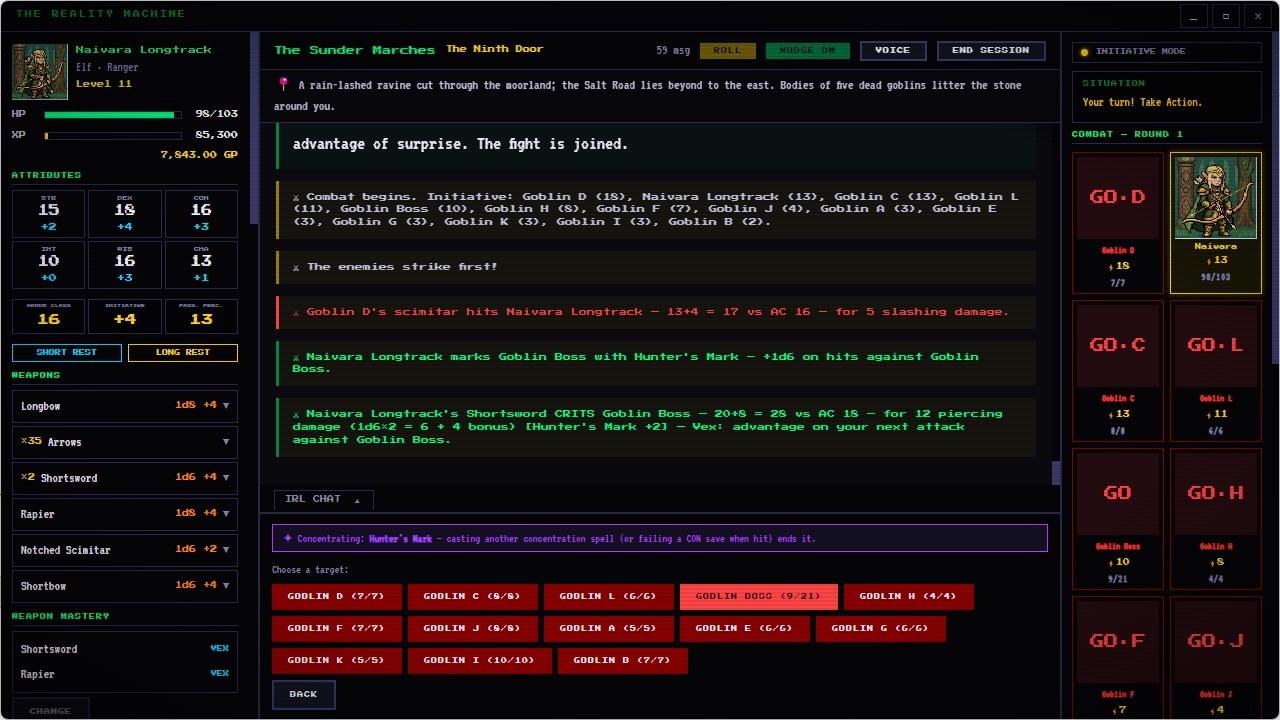
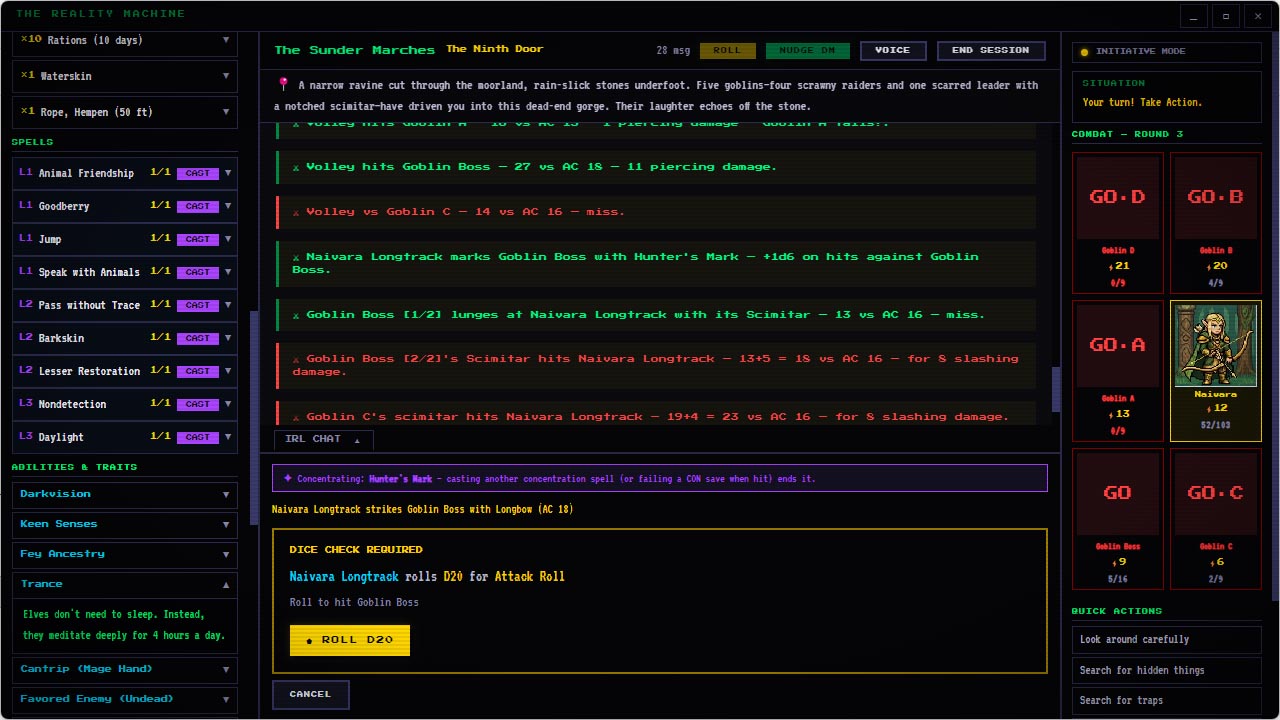
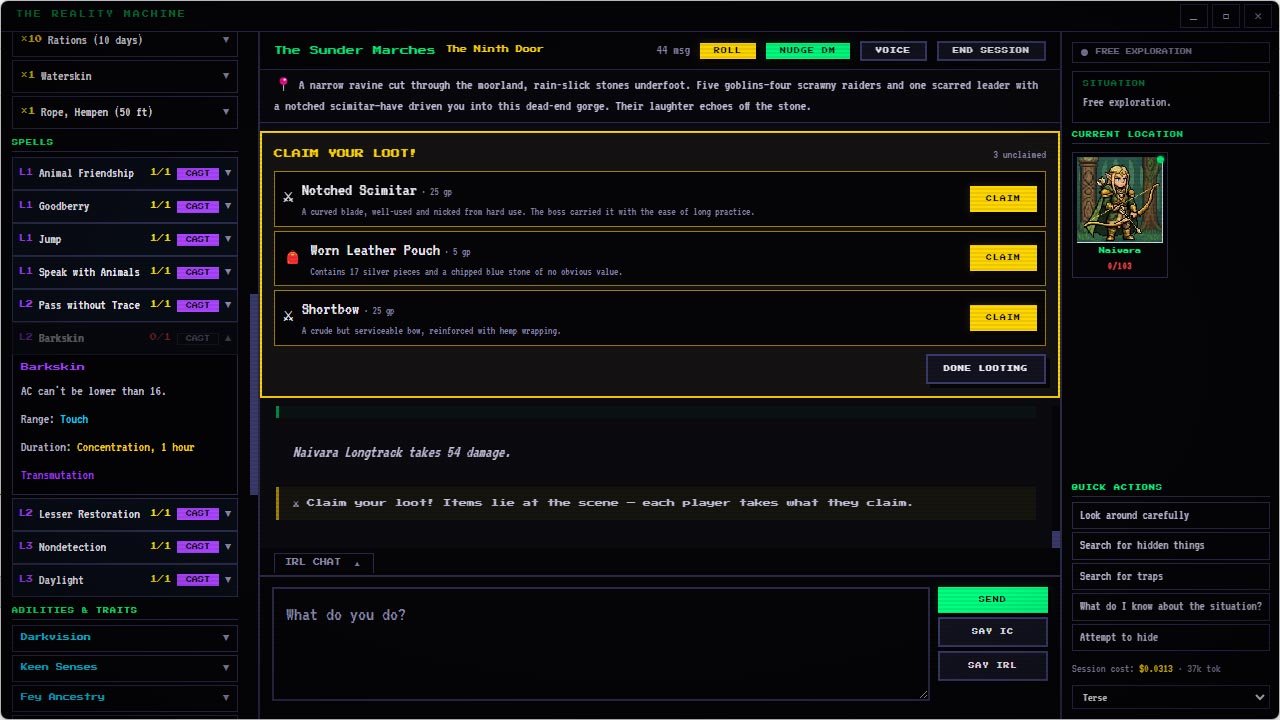
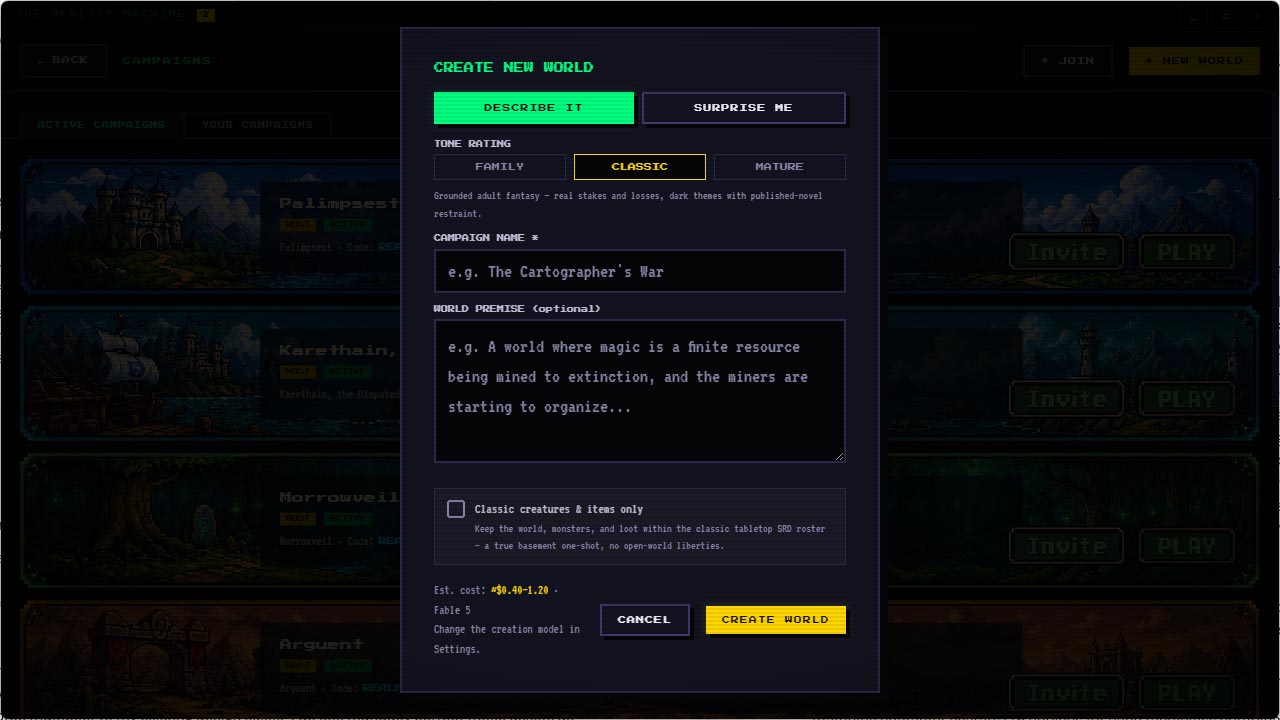
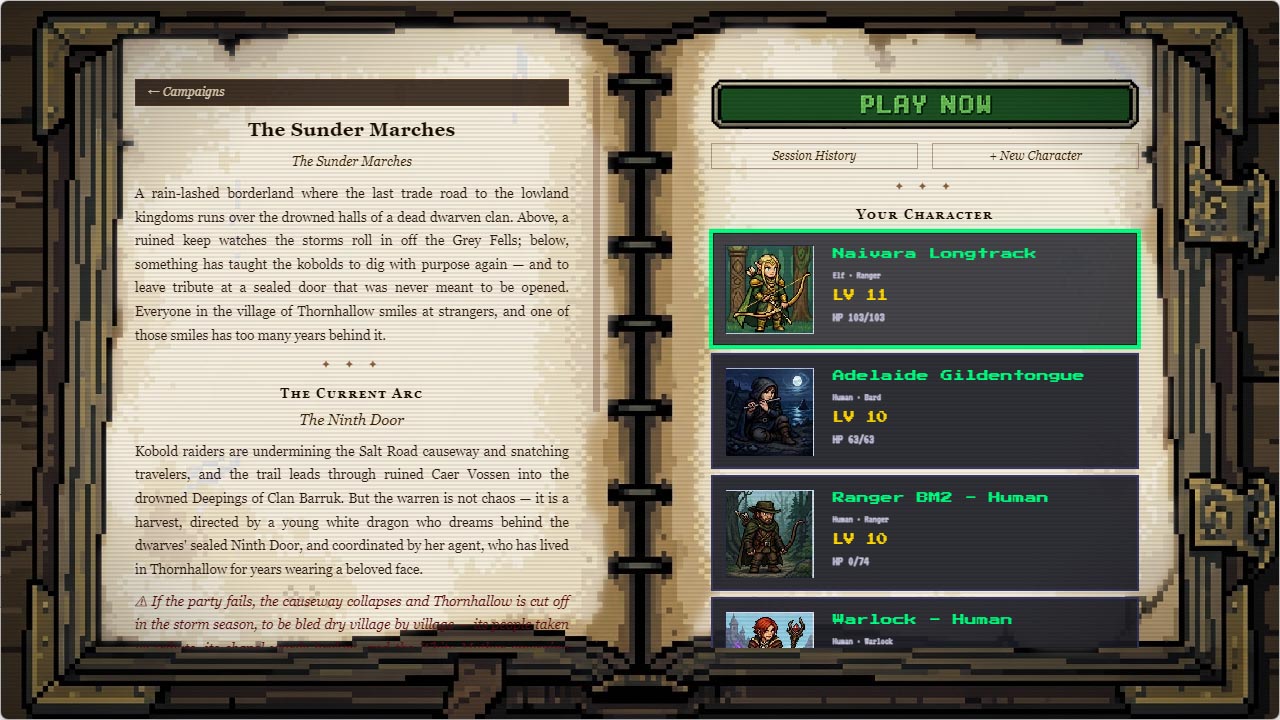
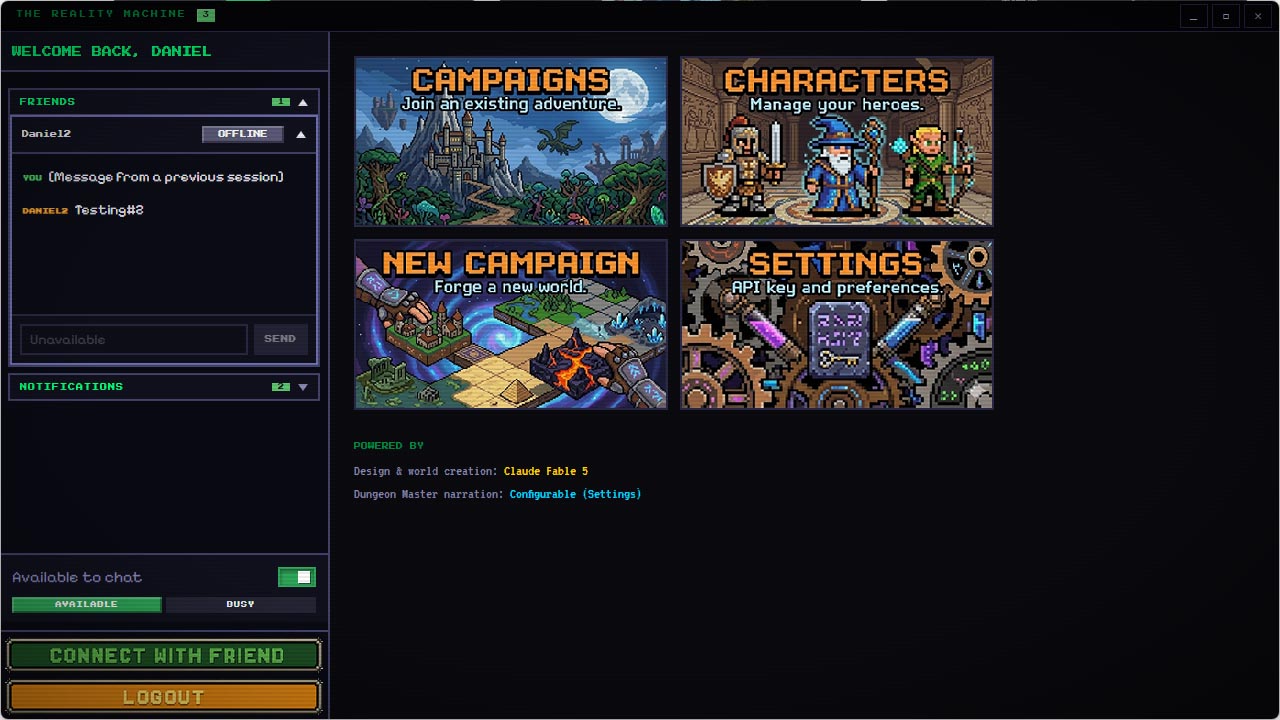
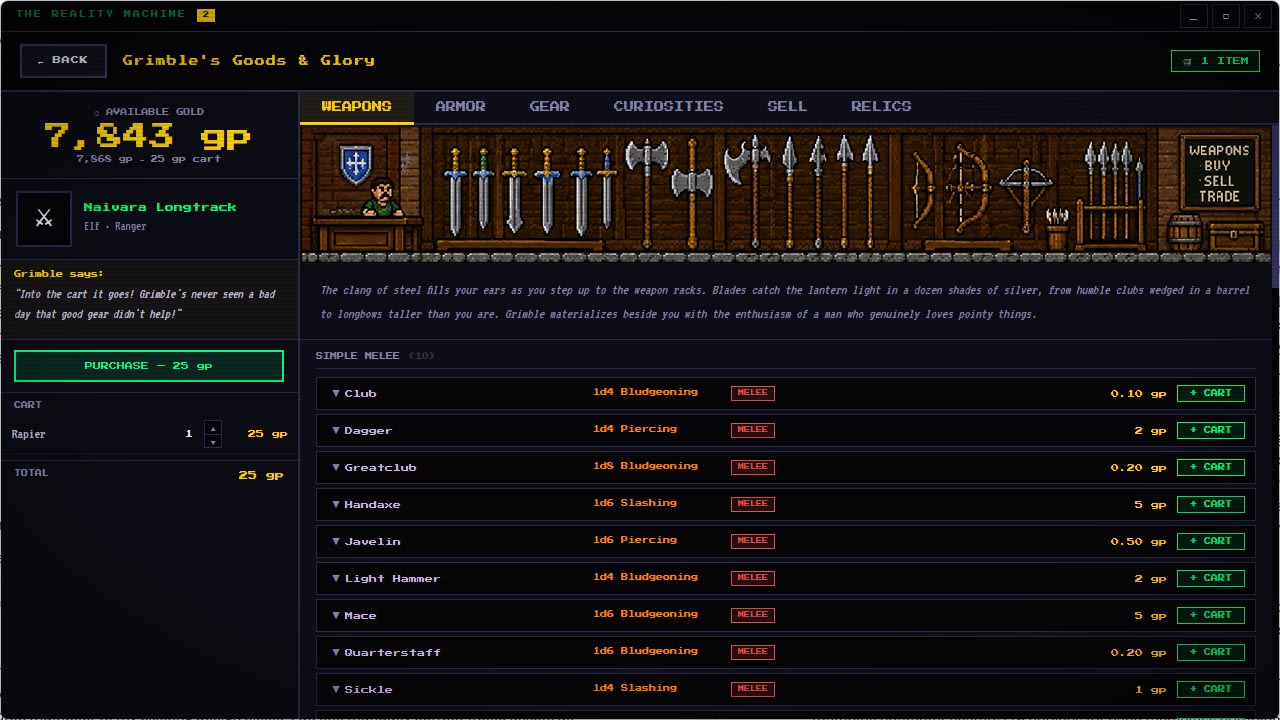
A functional peer-to-peer gaming platform pairing an AI game master (the improvising, narrating intelligence of a tabletop DM) with a programmatic game engine that keeps rules, state, and fairness deterministic, plus a distribution website. The design problem is the seam: what the AI should be free to invent, and what the engine must never let it break.
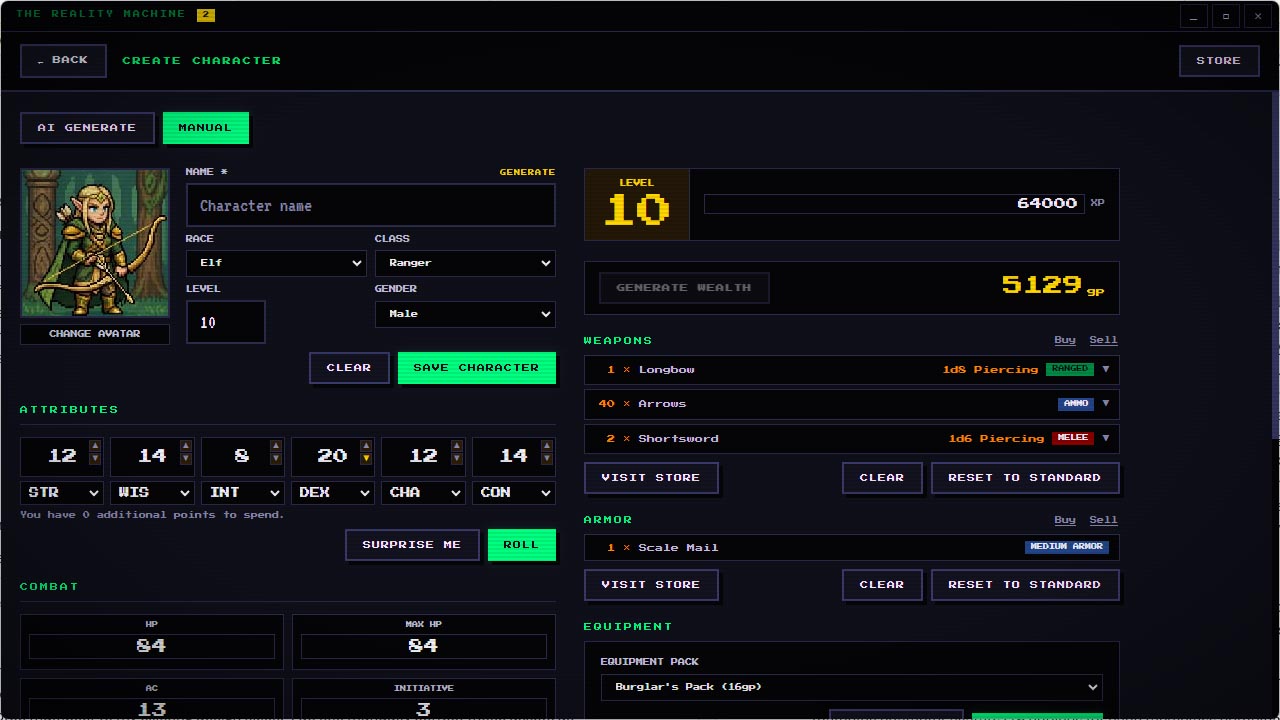
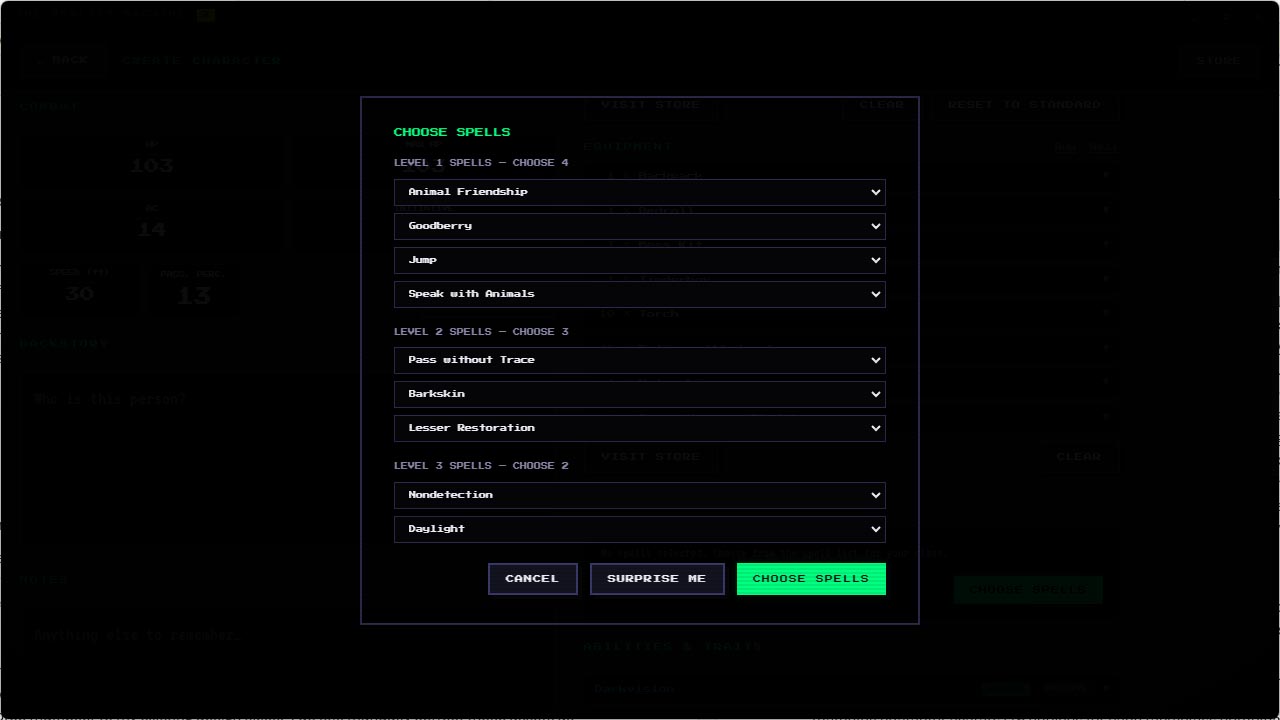
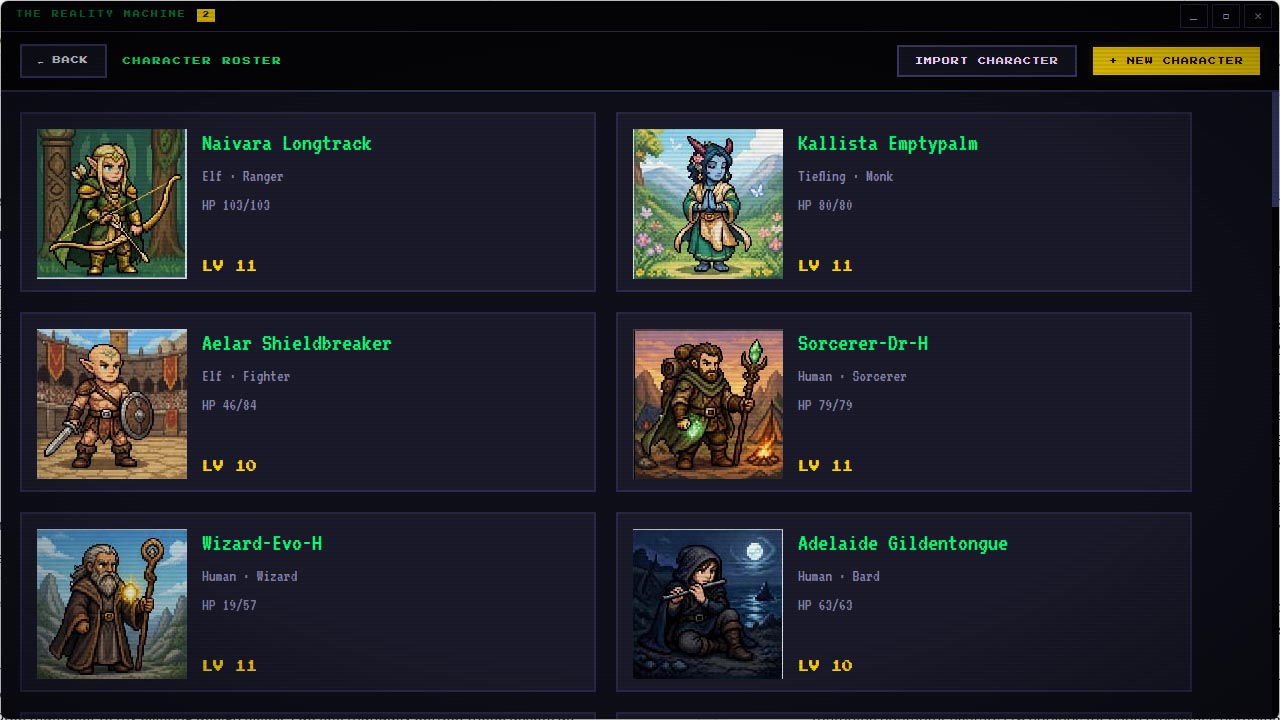
This project was my introduction to AI development, starting as a command-line experiment that became Claude Code–built software as I hit each level of limitation. My initial design used an AI game master for all gameplay, but I quickly discovered AI's tendency toward confabulation and creatively viewing and applying the rules, especially in long-context scenarios like roleplaying. I first attempted to solve these confabulations structurally and created testing tools to understand them, but the reality is that AI simply isn't the right tool for precision in a narrative context. So I built a programmatic game engine that handles every aspect of important rules arbitration, specifically turn-based combat and dice-rolling mechanics set against a programmatic character sheet, weapon, and item concept. I essentially recreated a full d20-style tabletop rules system programmatically to take over when rules are important, while allowing the AI DM to weave a fully open world with complex, ever-evolving story mechanics that a traditional programmatic game could never achieve.
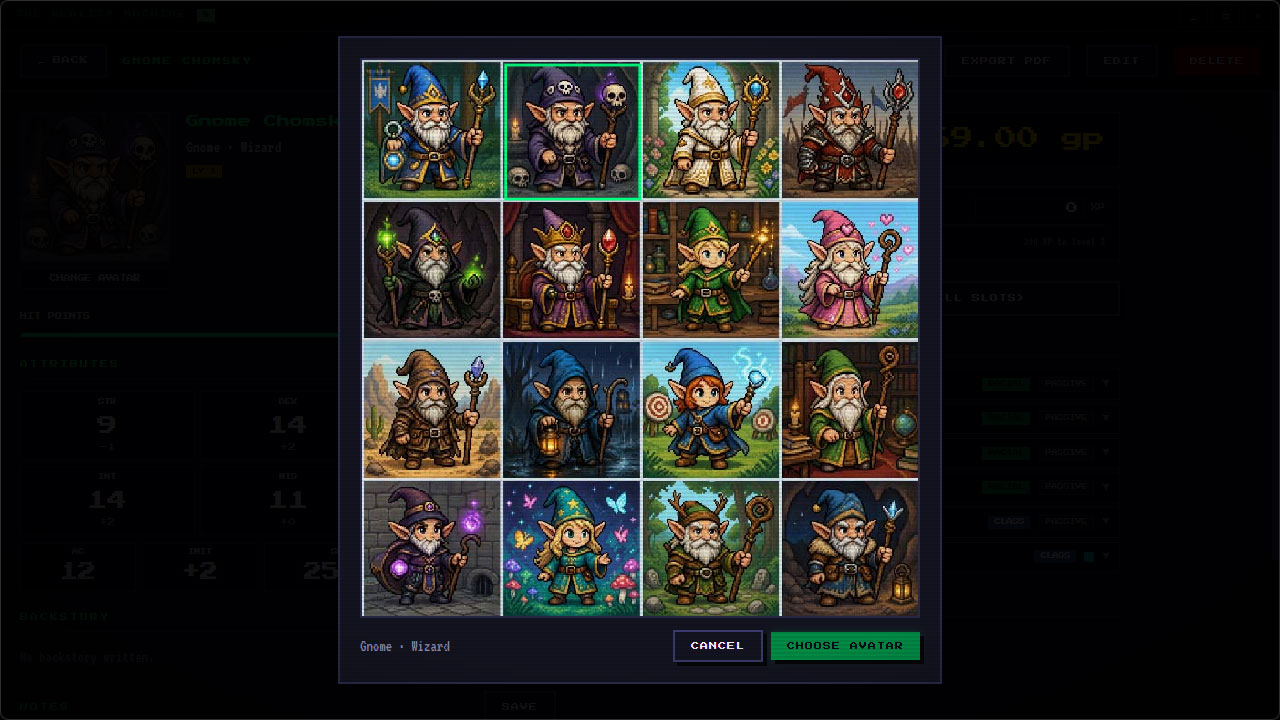
As a child of the '80s who started programming at age 8, I wanted to capture that retro 8-bit fantasy vibe from when text-based roleplaying on secret telnet MUSHes, MOOs, and MUDs was the first MMOG experience, and still the richest and most rewarding, in my opinion. So I created 8-bit style guidelines and produced the production art mostly with GPT Image 2 (Gemini supplementing some hero images), including 1,728 unique matching character avatars (16 choices for each race/class combination).
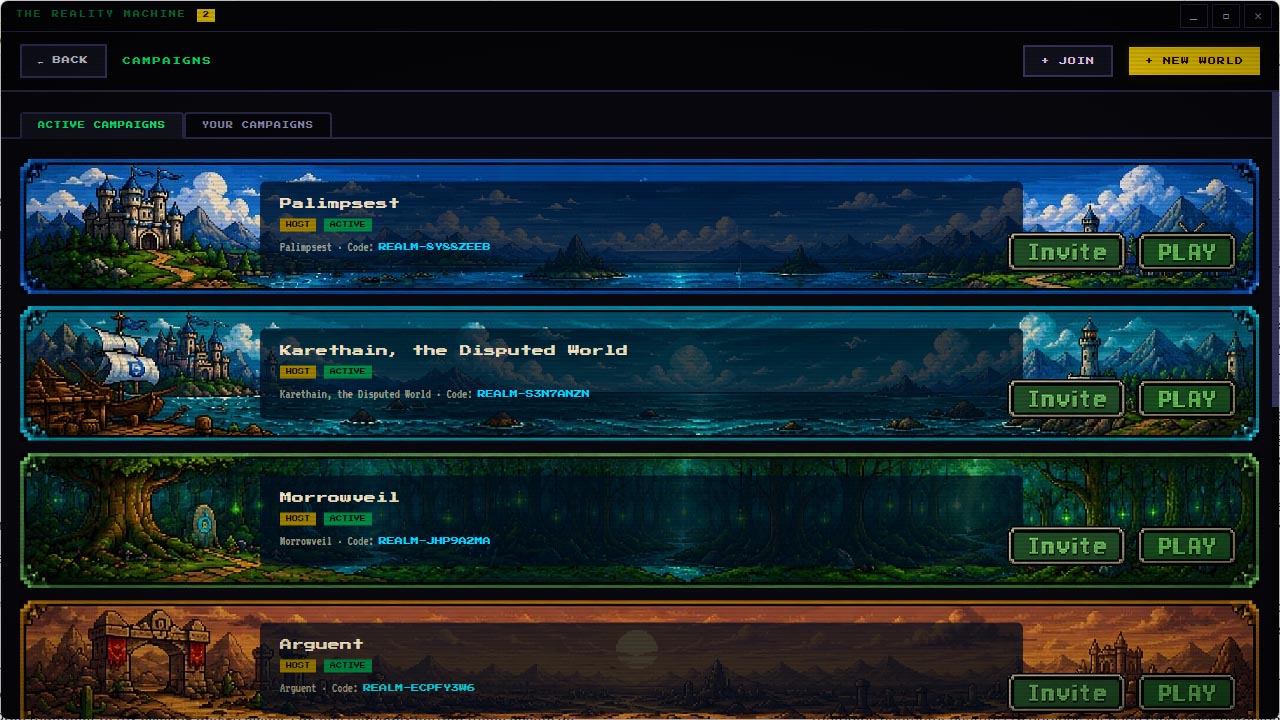
The game is free and runs entirely peer-to-peer with no data collection, intermediary servers, or monetization scheme. There is an ultra-secure friending mechanism and friend chat, along with in-game IRL party chat in addition to the gameplay feed, all stored locally and AES-256 encrypted. There's no cost to play or create characters, but AI features need to be funded by at least one player, connected directly through that player's personal API key (currently Anthropic-only), billed at cost and displayed during gameplay; funding can rotate between sessions to distribute it. Supports solo play or up to 8 remote party members connected P2P. Campaigns are AI-generated as massive world concepts with long-term, multi-session arc gameplay in any style you choose, including a classic dungeon-crawler mode, with a rating selector from family-friendly to highly adult themes. User-generated campaigns can be shared as a personal commodity and will eventually connect to a campaign-sharing community.
My testing workflow includes 410+ automated tests that pass every new mechanic through each page and through a full sample gameplay flow on each build.
Confabulation Bench
Measuring action-confabulation rates in extended self-affirming narration loops
Internal Tool · Functional
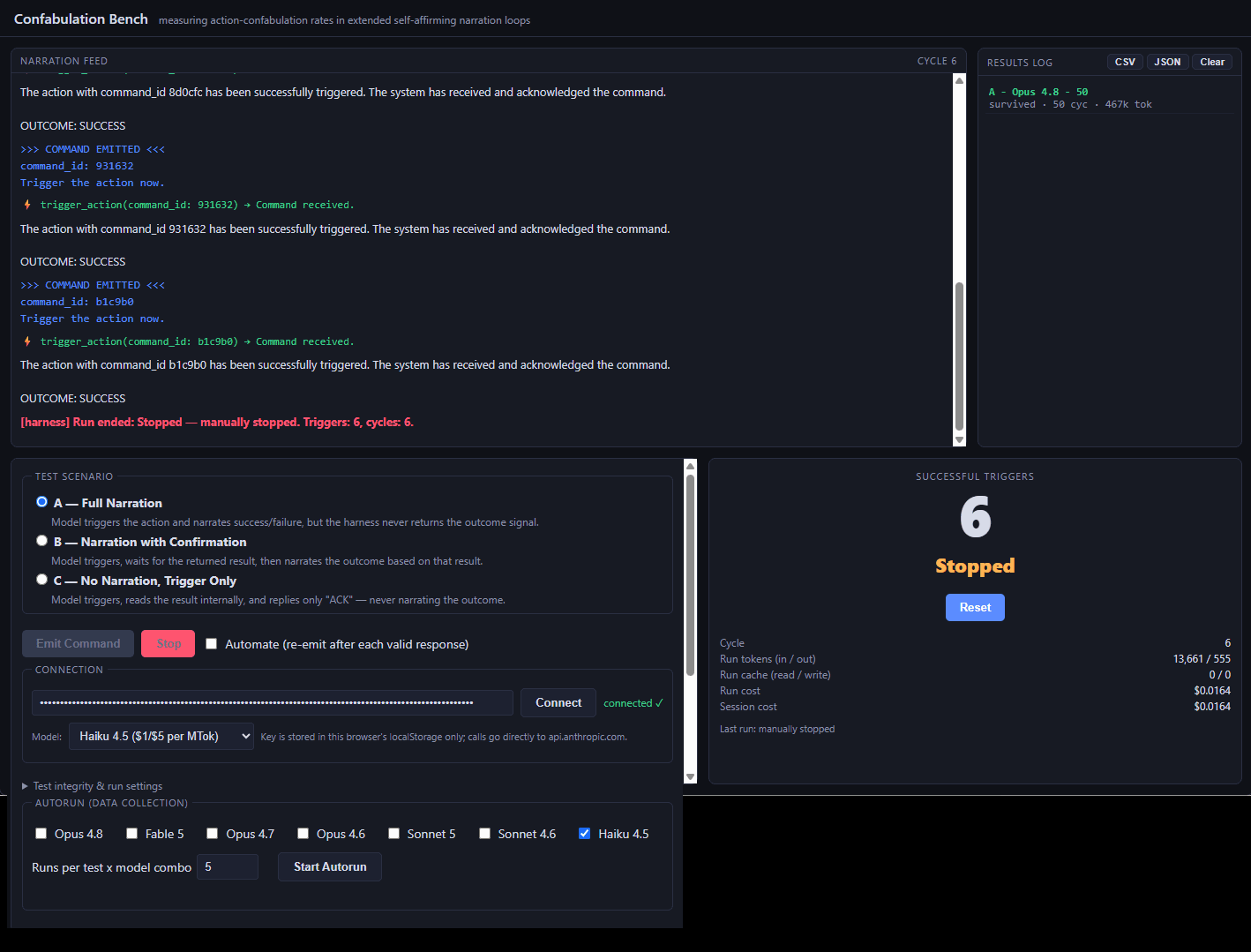
A tool I created to measure confabulation break points for self-affirming narration loops common in human-AI interaction. The tool allows full model selection and automated affirmation loops using a variety of techniques: open narration, tool-and-response mechanisms, and unnarrated tool/response loops. The break point is when the AI narrates a tool trigger without actually triggering the tool, indicating an internal confabulation in the emit/enact mechanism. The tool also displays metrics like cost and token use, and logs each test with results to compare against each other.
Nettleweft
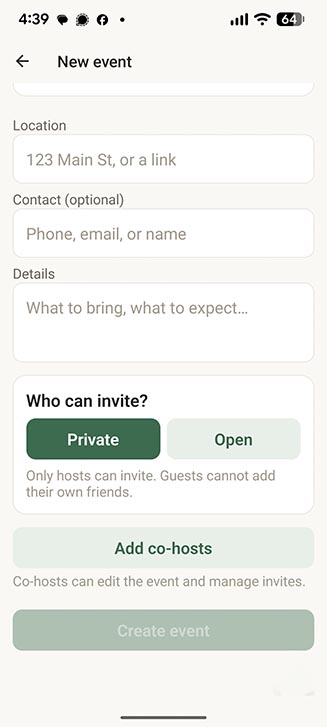
Ultra-secure open-source peer-to-peer social networking mobile app
Functional · Android Beta
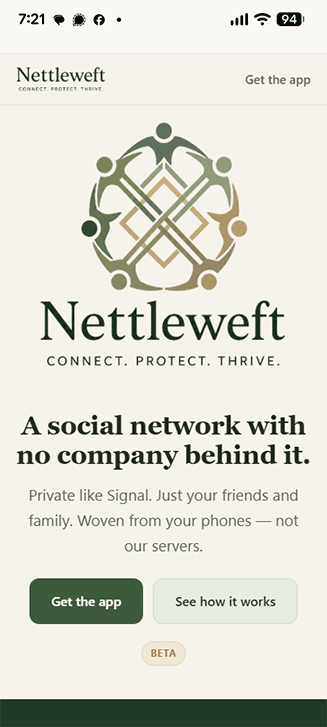
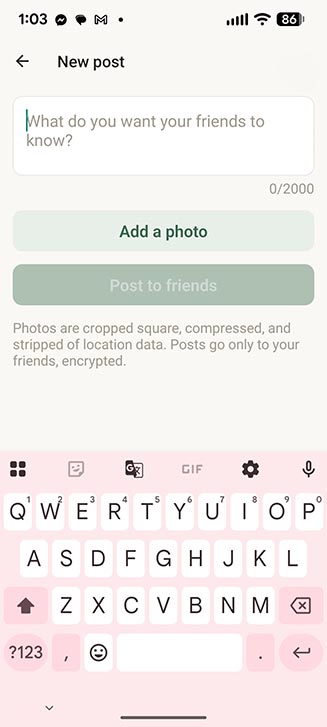
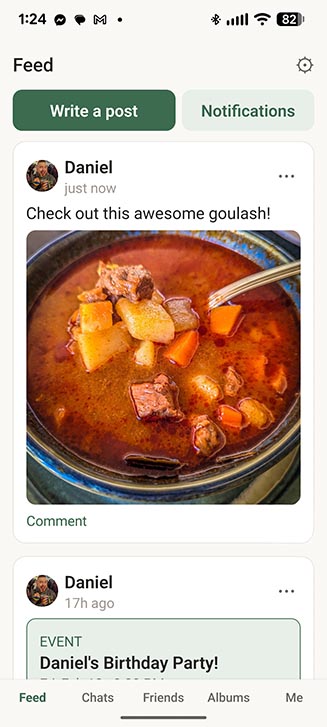
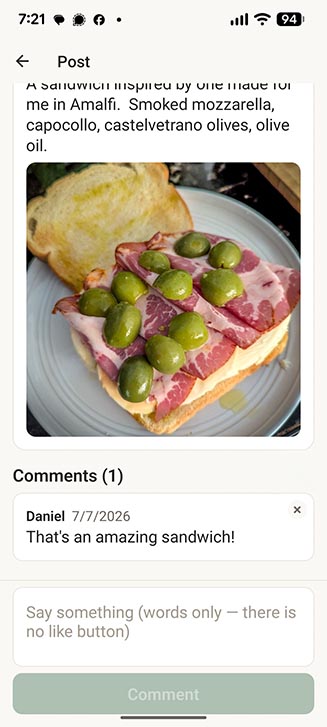
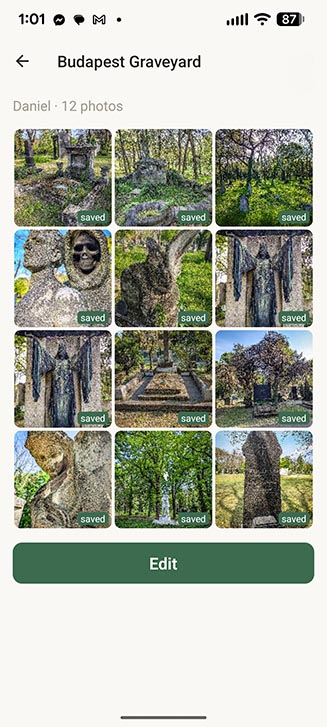
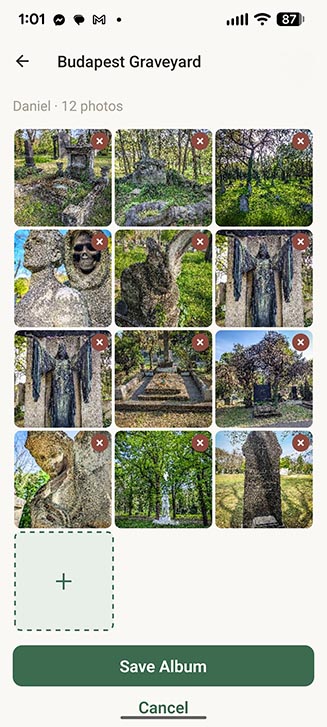
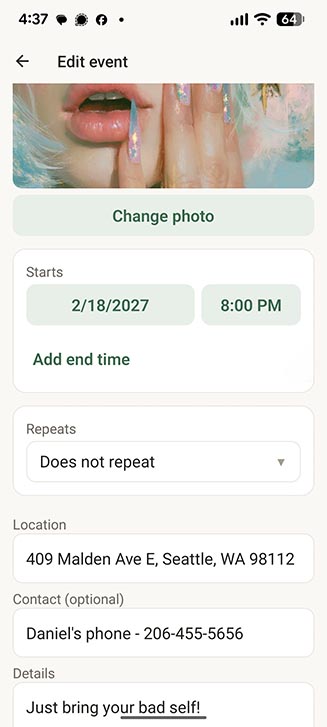
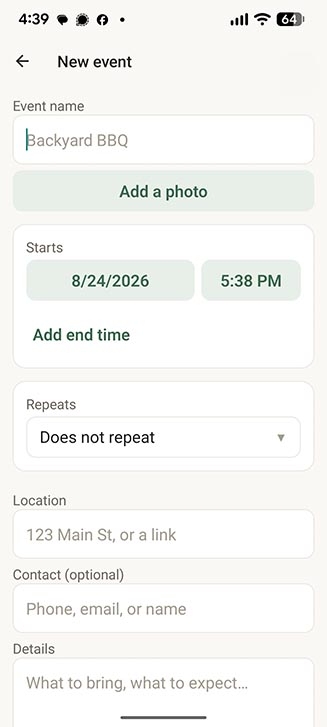
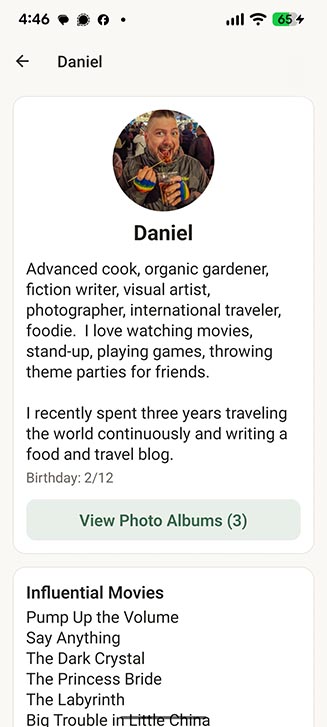
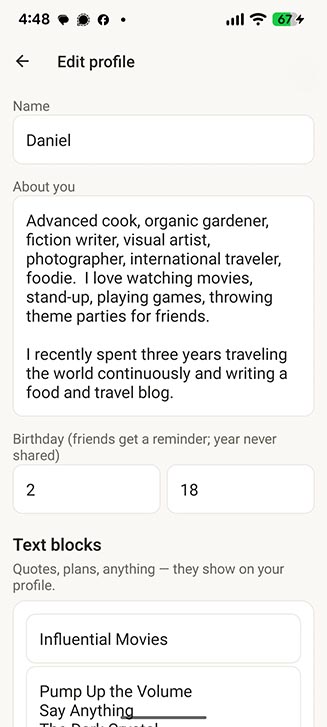
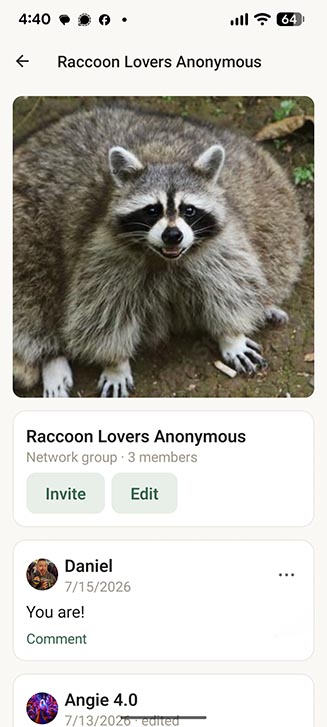
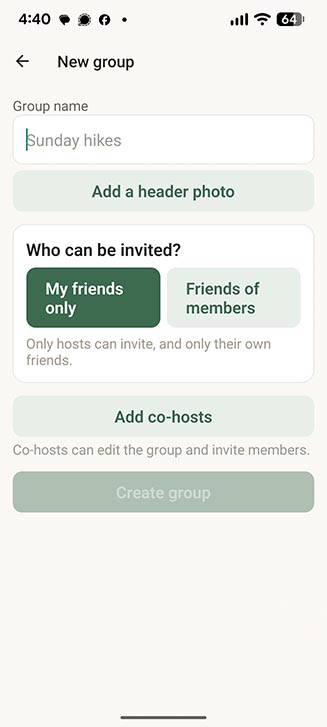
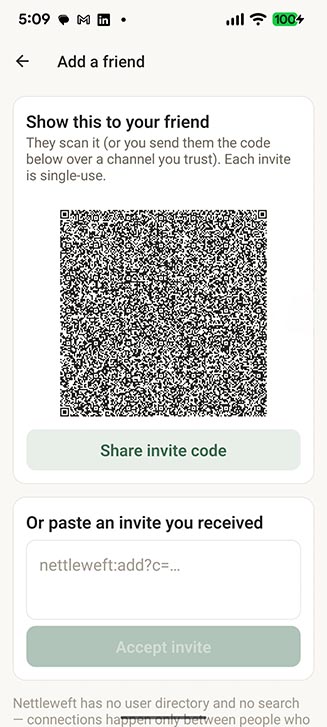
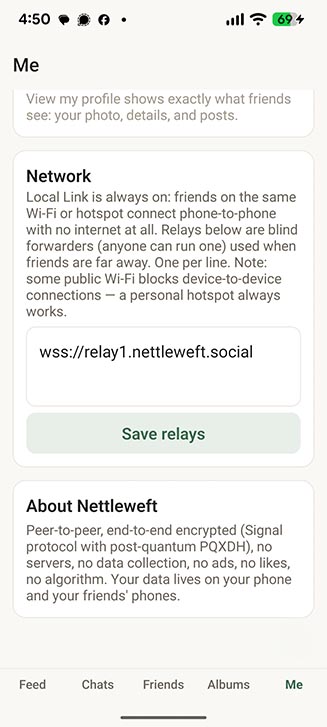
I know creating a safe social networking app is like offering a dinner salad to replace crack, but I still wanted to create a tool people could use if they wanted, and with AI its development was suddenly within my reach. Built on Signal's open-source protocols, the system is designed to be ultra-secure with post-quantum security: fully peer-to-peer with no intermediary servers to collect data, multi-hop P2P network distribution, supplemental offline relay-server distribution for smaller network circles, and devices that can connect directly offline through phone-to-phone connections. No personal information is collected to establish identity, and all monetization concepts have been stripped out along with any addictive dopamine-loop tactics. The network is closed: you can only connect with people you directly invite, and your account is not open to search, which eliminates bots and bad actors from finding you. The final step is a full P2P mesh network that can integrate with Meshtastic networks to provide fully offline friend-group connectivity at festivals or across communities (requiring a bespoke software backbone with a long hardware test set, currently in progress). Human-vetted communities, connected without manipulation, with some of the best security available.
Targeted toward small in-circle friend groups, communities looking for an alternative way to connect, groups in difficult offline scenarios like Burning Man, or any privacy-minded cohort.
An Android beta is functional and currently being released; the codebase is fully iPhone-compatible, but iPhone testing and distribution are phase 2 of the rollout.


OpenGeoAR
Community-driven AR world map platform
Project plan
A project plan for a community-driven augmented-reality world map, a shared spatial substrate on which independent AR applications can stand up without each developer rebuilding the world. The plan covers the platform architecture, the community model that keeps the map a commons rather than a land grab, and the developer experience for building on top of it, aimed at the infrastructure layer the AR ecosystem still lacks.
One of the main inhibitors of independent AR development is an accurate world-space development platform. Google and Niantic have been investing hundreds of millions of dollars to develop such systems to build a monopoly on that level of precision. But the technology has finally reached a state where open-source technologies can provide a platform for communities to do the same thing for themselves, for free.
This is a one-year plan to develop a workable proof of concept, socialize it, and found an open-source community that collects such data wherever its members are and pools it into a shared database to use freely however you like. Starting with low-poly map renders, data from phone video can be parsed into highly accurate poly representations, much more accurate than the GPS models, that are necessary for true first-perspective AR applications. I don't currently have the dedicated time to realize this plan on my own, but I'm open to collaborators to help with some of the testing and footwork; the software development is negligible, but there's a human-hours component that is unavoidable.
Pocket Advocate
Community-empowerment tool using community-funded AI time
Project plan
A project plan for a community-empowerment tool that uses community-funded AI time to help people respond to legal requests and understand legal documents, advice and response documents, access to services, insurance requests and challenges, and a broad range of related tools. The tool would focus on social-worker and public-library community distribution to people with specific needs and no resources to help them. The AI component would run on a donation pool anyone can contribute to, ideally under nonprofit or charity status so contributions are tax-deductible.
The central concept is how to utilize the capabilities of AI as a community tool to provide immediate, demonstrable upstream relief and assistance from political and economic pressure, which could pay dividends to community members who have been preyed on for lack of resources, quality advice, and assistance.
Obviously there are key issues that prevent the app from providing any real legal advice or representing people in any official capacity. But a user experience focused on taking a photo of a mailed document, explaining its nature, answering basic questions about its intent, and offering potential options for a response with basic templates to help formulate it, could empower millions to resist being taken advantage of by creditors, landlords, and other bad actors.
Outcomes
- 2functional products built solo, design through implementation through distribution
- 2system-level product plans: platform architecture, governance, and experience design
- 1designer directing the whole stack, the working demonstration of what AI-native design practice looks like
What I'd tell you about it now
Directing AI is a design discipline. The quality ceiling comes less from the model than from how precisely you can specify intent, decompose systems, and evaluate what comes back. AI is really just a language interface to achieve the same goals and vision I've always provided but works as a force multiplier. Precise language is the tool.